
Porto's Bakery: Locations, Menu Data, and Calorie Insights
Porto's Win: A Victory for Sustainability or Just Savvy Marketing?
The Allure of Authenticity
Porto's recent crowning as Europe's Best Tourist Destination for 2025 is being hailed as a win for sustainable tourism. The World Travel Awards (and the breathless press releases that followed) paint a picture of travelers increasingly valuing "authenticity, walkability, cultural depth and sustainable urban experiences." But let's dissect that for a moment. Is Porto truly a beacon of sustainability, or is this just a case of clever marketing capitalizing on a trend?
The narrative is compelling: Porto, with its "human-scale streets" and emphasis on local culture, is supposedly attracting a new breed of traveler – one who craves immersive experiences over checklist tourism. We're told that walking tours are booming, cycling is on the rise, and even tuk-tuk operators are going green. The implication is clear: Porto is leading the charge towards a more responsible form of urban tourism.
But here's where the data gets a bit fuzzy. While anecdotal evidence (and carefully curated press photos) suggest a shift towards sustainability, concrete numbers are harder to come by. What percentage of Porto's tourists actually participate in walking tours versus, say, traditional bus tours? How much has cycling infrastructure increased in recent years, and what's the actual usage rate? These are the questions that need answering before we can declare Porto a true sustainability champion.
Digging Deeper into the Data (or Lack Thereof)
One article quotes economists expecting an "uptick in international arrivals, local spending and off-season travel." Sounds great, right? But what's the projected increase, and what metrics are being used to measure "local spending"? Are we talking about revenue for small, independent businesses, or are we just counting the bottom line of large hotel chains? The devil, as always, is in the details.
And this is the part of the analysis I find genuinely puzzling: the lack of publicly available data on Porto's tourism sector. While the Portuguese government touts its commitment to "sustainable growth," it's surprisingly difficult to find comprehensive statistics on visitor demographics, spending habits, and environmental impact. Are they deliberately obscuring less flattering data? (It wouldn't be the first time a government massaged the numbers to fit a narrative.)
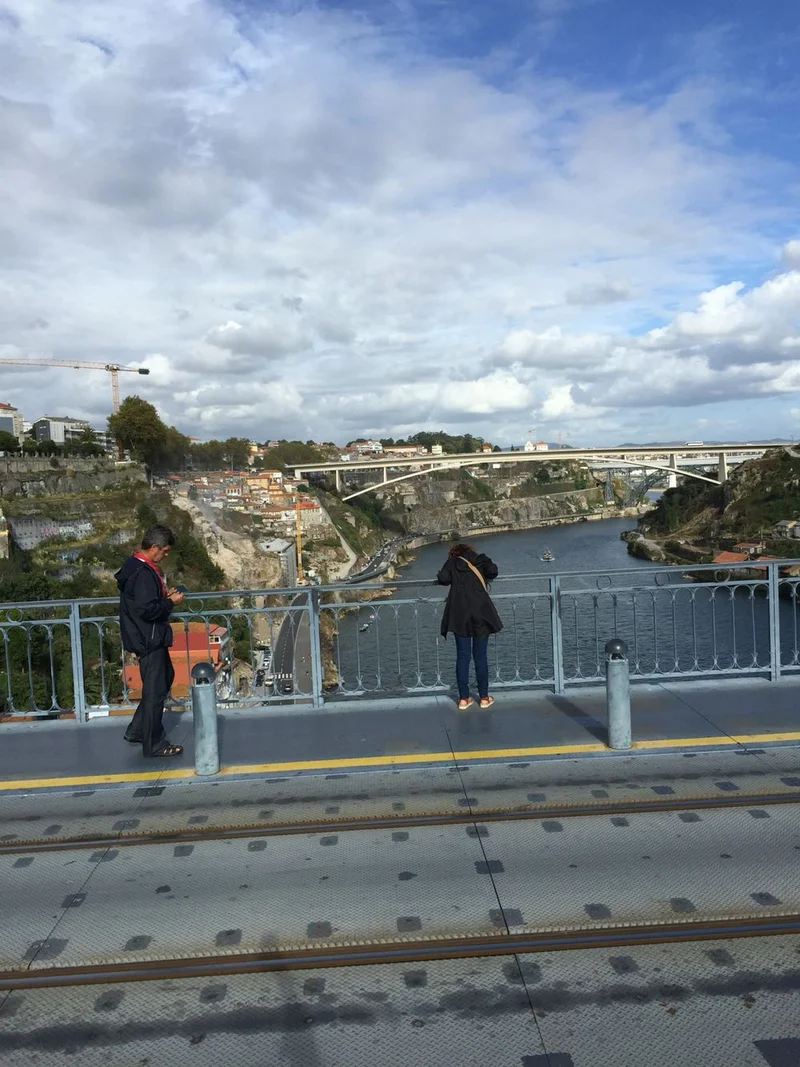
Consider the claim that Porto needs to "continue strengthening pedestrian-friendly infrastructure." A laudable goal, no doubt. But what specific projects are planned, and what's the projected cost? How will these improvements be funded, and what impact will they have on local residents? Without concrete answers to these questions, the whole "sustainability" narrative starts to feel a bit hollow.
Another point to consider: Porto's win comes after a period of significant investment in tourism infrastructure. The city has spent millions on renovating historic buildings, improving public transport, and promoting cultural events. While these investments may have contributed to Porto's appeal, they also raise questions about affordability and accessibility. Are these improvements primarily benefiting wealthy tourists, or are they also improving the quality of life for local residents?
The Marketing Machine vs. Reality
It's tempting to dismiss all of this as mere cynicism. After all, Porto is a beautiful city with a rich history and vibrant culture. But as a data analyst, I'm trained to look beyond the surface and question the underlying assumptions. And in this case, the numbers simply don't support the claim that Porto is a shining example of sustainable tourism. At least not yet.
Perhaps the most telling detail is the fact that Porto won this award for the second year in a row. (It won in 2024 as well.) While consistent excellence is certainly possible, it also raises the specter of a well-oiled marketing machine working behind the scenes. Are the World Travel Awards truly objective, or are they influenced by lobbying and sponsorship dollars? I suspect the latter. Porto Takes the Spotlight as Europe’s Best Tourist Destination for 2025, Boosting Portugal’s Tourism Boom
Let's be clear: Porto's win isn't necessarily a bad thing. It's undoubtedly a boost for the local economy and a source of pride for the Portuguese people. But we shouldn't let the hype blind us to the underlying realities. Sustainability is a complex issue with no easy answers, and Porto's journey is just beginning.
So, What's the Real Story?
Ultimately, Porto's triumph feels more like a triumph of branding than a genuine shift towards sustainability. The city has successfully positioned itself as a desirable destination for a growing segment of travelers who value authenticity and cultural immersion. But until we see more concrete data on visitor behavior and environmental impact, it's hard to escape the conclusion that this is largely a case of savvy marketing capitalizing on a trend.