
NIO Stock: Price Action & What the Numbers Say
NIO's Q3: A Glimmer of Hope or Smoke and Mirrors?
NIO Inc. is gearing up to release its Q3 earnings, and the market's buzzing with anticipation. The Zacks Consensus Estimate points to a loss of 24 cents per American Depositary Share (ADS) and revenues of $3.26 billion. But let's dive deeper than the surface-level optimism.
For starters, that projected 33.3% growth in bottom-line numbers compared to last year? It sounds good, but context is key. NIO has consistently missed earnings estimates in the past, averaging a negative surprise of 41.54% over the last four quarters. (That's not a typo; it really is that bad). So, while analysts are narrowing their loss estimates – down 7 cents in the last 90 days – should we really be popping champagne? I remain unconvinced.
Decoding Delivery Numbers
The real story, as always, lies in the deliveries. NIO reported 87,071 vehicles delivered in Q3 2025, a 40.8% year-over-year increase. A big chunk of that came from the ONVO L90, with July seeing 21,017 deliveries and August hitting 31,305. Now, that's a hefty jump. But here's the kicker: increased deliveries don't automatically translate to profitability. The launch of new models, like the All-New ES8, means higher marketing and go-to-market costs. And those costs, as the report suggests, are likely to eat into the company's margins.
It's a classic growth-versus-profitability dilemma. Are they selling more cars just to lose more money on each sale? This is the part of the report that I find genuinely puzzling.
The Earnings ESP Enigma
Then there's the Earnings ESP, which sits at a flat 0.00%. This is because the Most Accurate Estimate is pegged at par with the Zacks Consensus Estimate. In layman's terms, nobody seems to have a clue whether NIO will actually beat expectations. And while the Zacks Rank is a neutral #3 (Hold), their model doesn't predict an earnings beat. The "right combination of key ingredients" is missing, apparently.
Meanwhile, competitors like General Motors and Ford Motor Company have already reported their Q3 results. GM beat earnings estimates, but their bottom line decreased year-over-year. Ford also surpassed estimates, but similarly saw a decline from the previous year. It's a mixed bag for the industry as a whole. GM's cash reserves are substantial, sitting at $22.91 billion, while Ford boasts $26.8 billion. NIO's market capitalization, by comparison, stands at a comparatively paltry $12.22 billion.
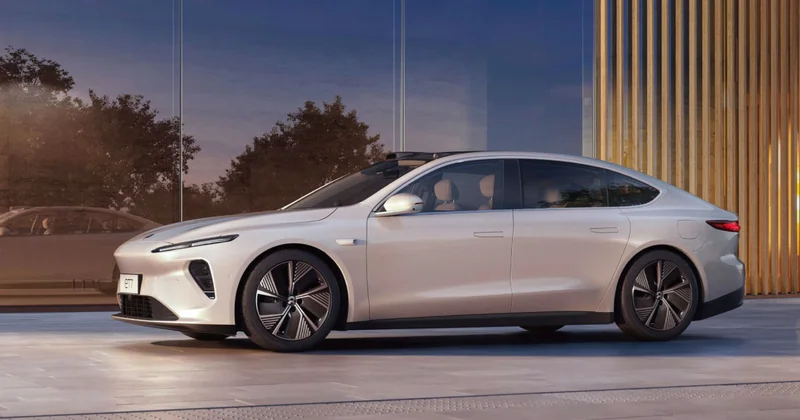
NIO's stock jumped 3.7% in premarket trading following the earnings report. This is despite reporting a third-quarter loss of 3.66 billion yuan. Revenue increased 17% year-over-year to 21.79 billion yuan in the third quarter. Year-to-date sales through October reached about 270,000 vehicles, up 60% compared to last year.
Analysts have raised price targets based on successful new model launches and improved delivery numbers. But is this just irrational exuberance, or is there real substance behind the hype? The stock has climbed 32% in 2025 before Tuesday’s trading session. NIO Stock: Why Shares Jumped After Latest Earnings Beat
The China Factor
We can't ignore the elephant in the room: China's EV market is a battlefield. Multiple players are fighting for dominance, and government subsidy policies add another layer of uncertainty. A change in those policies could significantly impact demand, regardless of how many cars NIO manages to ship.
The delivery numbers through October provide a concrete measure of execution. The 60% year-over-year growth rate shows momentum in the business. Revenue growth of about 17%—to be more exact, 16.7%—demonstrates the company’s ability to generate more income. However, the path to profitability remains a work in progress.
Counting Chickens Before They Hatch
NIO's Q3 results show some progress, sure. Losses are narrowing, and deliveries are up. But the company's still burning cash. The market's optimism seems premature, especially given NIO's track record and the intense competition it faces. So, while the headlines might scream "growth," a closer look at the numbers suggests a more cautious approach is warranted.
A Reality Check
Until NIO demonstrates a clear path to sustainable profitability, I'm staying on the sidelines. The EV market is volatile enough without betting on a company that's still struggling to break even.